Australia Boosts Home Battery Initiative With $5 Billion Investment
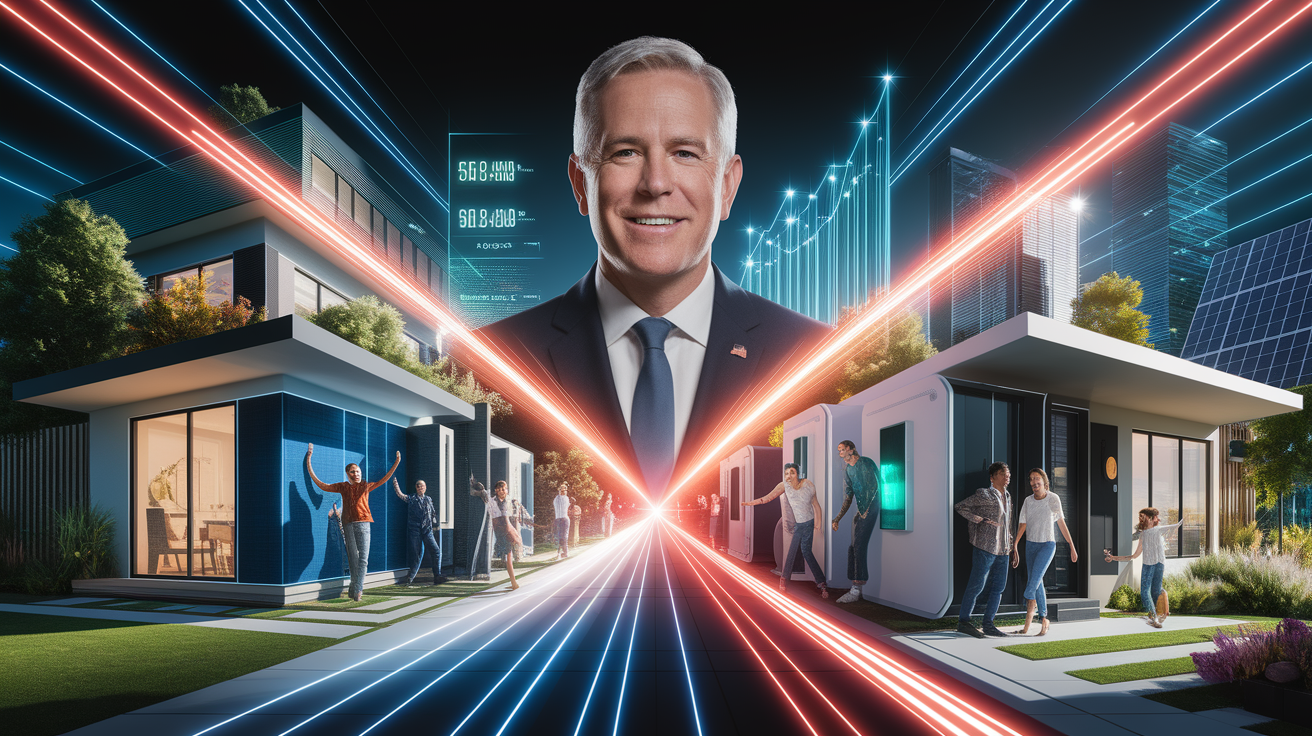
Significant Funding Increase for Cheaper Home Batteries Program
In a bold move to accelerate the adoption of renewable energy technologies, Australian Energy Minister Chris Bowen has announced an additional $5 billion commitment to the Cheaper Home Batteries Program. This increase elevates the total funding from an initial $2.3 billion to approximately $7.2 billion over the next four years, marking a significant investment aimed at enhancing solar energy utilization and grid stability across the nation.
Responding to High Demand and Rapid Uptake
Launched in July 2025, the Cheaper Home Batteries Program has quickly gained traction, with over 100,000 installations reported by October 2025, contributing 2 GWh of distributed storage to the grid. This rapid uptake is largely attributed to the program's offer of upfront discounts of around 30% on eligible home battery systems, incentivizing households and small businesses to invest in battery storage solutions. The initial budget is expected to be exhausted within a year, prompting this timely funding boost.
According to Energy Storage News, the program provides discounts averaging $311-$372 per usable kWh, specifically targeting batteries with a nominal capacity of 5-100 kWh. This approach not only fosters household energy independence but also supports grid reliability during peak demand periods.
Eligibility and Technical Specifications
The program is designed for Australian households, small businesses, and community facilities that install batteries with a 5-50 kWh usable capacity. To qualify, installations must connect to existing or new solar systems and be carried out by Solar Accreditation Australia-approved installers. Additionally, the installations must be Virtual Power Plant (VPP)-capable, ensuring they can contribute to grid management effectively.
Discounts are provided upfront through Small-scale Technology Certificates (STCs), allowing consumers to benefit without incurring additional costs. These incentives can also be combined with certain state programs, maximizing financial benefits for participants.
Future Adjustments and Sustainability Measures
Starting May 1, 2026, the program will undergo several adjustments to ensure its long-term viability. Proposed changes include a faster step-down in STC factors every six months and reduced support for larger battery systems over 14 kWh and 28 kWh. These measures aim to balance ongoing support for small-to-medium systems while addressing the falling prices of battery technologies.
The Clean Energy Regulator emphasizes that these strategic adjustments are crucial for maintaining the program's sustainability and effectiveness in fostering a more robust renewable energy ecosystem.
Integration with State Initiatives and Grid Benefits
The federal program complements various state initiatives, such as New South Wales' Peak Demand Reduction Scheme, enhancing overall grid stability by promoting better solar energy storage and demand balancing. This integration is vital for reducing peak loads and electricity costs for communities, ultimately benefiting consumers and the environment alike.
As Bowen's initiative unfolds, it signals a clear commitment to advancing Australia’s renewable energy goals, pushing the boundaries of home energy solutions while tackling climate change effectively.
Conclusion: A Step Towards Sustainable Energy Future
This substantial investment in the Cheaper Home Batteries Program not only marks a pivotal moment for Australian households looking to enhance energy efficiency but also sets a precedent for future renewable energy policies. As the nation moves towards a more sustainable energy future, the emphasis on innovative battery technologies will play a critical role in achieving these ambitious goals.
Newer: Unlocking the Secrets of Sodium Ion Chemistry →
Related articles
New Analysis Shows More US Consumers Are Falling Behind on Their Utility Bills
America’s household energy burden is climbing — and the latest data indicates that millions are now slipping into dangerous territory with unpaid utility bil...

Abb Finalizes Acquisition of Gamesa Electric
ABB strengthens renewable energy conversion portfolio with strategic acquisition In a decisive move to expand its footprint in renewable energy technology, S...

Bangladesh Approves 220 Mw Solar Project, Its Largest to Date
Strategic leap in Bangladesh’s renewable energy capacity Bangladesh is set to make a decisive stride in its clean energy transition with the approval of a 22...