Unpacking the Surge of Rooftop Solar in Australia: a Game Changer for Energy Independence
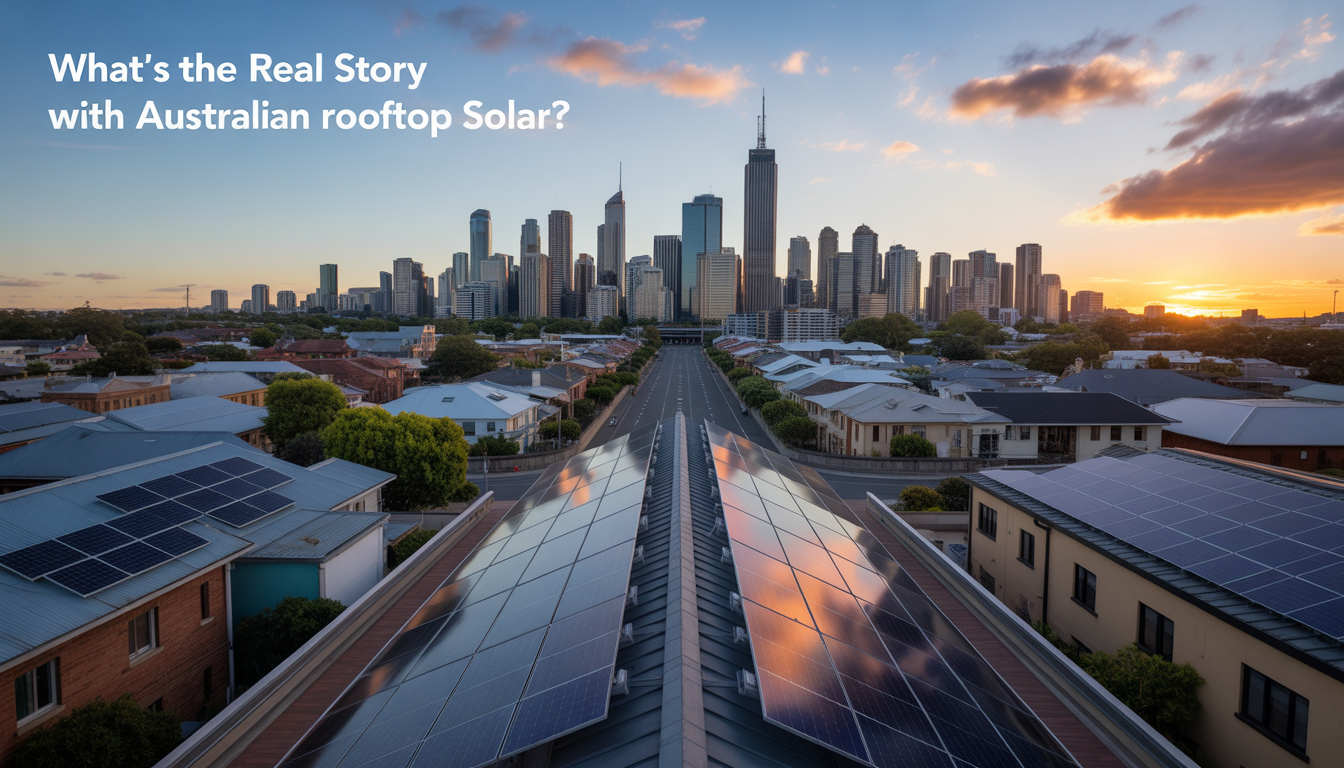
Australia is at the forefront of the global solar revolution, boasting the world’s highest rooftop solar penetration. With over 4.2 million homes and businesses utilizing solar systems that account for 12.8% of the nation’s electricity generation, the movement towards solar energy is not merely a trend; it represents a fundamental shift in how Australians consume energy. This article explores the current landscape, installation advantages, battery integration, regional trends, and the challenges posed by this rapid adoption.
The Current Landscape of Rooftop Solar
As of mid-2025, Australia has installed a remarkable 26.8 GW of rooftop solar capacity. This achievement marks a significant leap, having doubled its share in the electricity mix since 2020. Recent data indicates that installations in the first half of 2025 alone added 1.1 GW, with projections estimating a total capacity of 37.2 GW by June 2030. This growth trajectory positions Australia as a leader in the renewable energy sector globally, illuminating the practical benefits of harnessing solar power.
Efficient Installation Processes Drive Adoption
One of the key factors fueling the rapid adoption of rooftop solar in Australia is the streamlined installation process. Homeowners can quickly obtain multiple quotes through platforms like Solar Quotes and Solar Choice, often within minutes. The entire process—from selecting a vendor to securing permits and interconnection—can be completed in less than a week at an average cost of around 50 cents per watt. This efficiency starkly contrasts with the lengthy and costly processes seen in other regions, such as the United States, where solar installations can take months and cost significantly more per watt.
Battery Storage: Enhancing Solar Efficiency
The surge in rooftop solar is complemented by a rapid increase in home battery adoption. In the first half of 2025 alone, sales soared by 191% year-on-year, with 85,000 units sold, bringing the total to 271,000 installations. This trend has allowed 28.4% of recent solar installations to include battery storage, optimizing energy self-consumption and potentially doubling cost savings to $6 billion annually. The introduction of rebates further incentivizes consumers to adopt hybrid systems, illustrating the synergy between solar generation and battery storage in enhancing energy independence.
Regional Dynamics and Growth Trends
Geographically, New South Wales leads with a cumulative capacity of 7.5 GW, closely followed by Queensland and Victoria. Notably, Queensland exhibited the most significant growth in H1 2025, adding 326 MW. The average system size has also increased, now averaging 10.81 kW, reflecting a broader trend of consumers opting for larger installations to maximize their energy savings.
Grid Impacts and Future Challenges
While the growth of rooftop solar has led to periods of free electricity—particularly in the afternoons—critics warn of potential grid imbalances. The influx of solar energy during peak sunlight hours creates surplus energy that necessitates careful management to maintain grid reliability. As the sector continues to evolve, forecasts indicate that rooftop solar could contribute as much as 15% of Australia’s electricity share by the end of the decade, supported by falling costs and favorable policy incentives. However, stakeholders must address the challenges of integrating such a high volume of renewable energy into the existing grid infrastructure.
Conclusion: A Bright Future for Solar Energy in Australia
The story of rooftop solar in Australia is one of innovation and resilience. With impressive growth metrics, efficient installation processes, and a robust adoption of battery storage, the nation is setting a benchmark for energy independence. As the industry navigates the challenges posed by rapid expansion, the commitment to renewable energy is clear, paving the way for a sustainable energy future.
Newer: Harnessing the Breeze: An Introductory Guide to Wind Power →
Related articles
New Analysis Shows More US Consumers Are Falling Behind on Their Utility Bills
America’s household energy burden is climbing — and the latest data indicates that millions are now slipping into dangerous territory with unpaid utility bil...

Abb Finalizes Acquisition of Gamesa Electric
ABB strengthens renewable energy conversion portfolio with strategic acquisition In a decisive move to expand its footprint in renewable energy technology, S...
Bangladesh Approves 220 Mw Solar Project, Its Largest to Date
Strategic leap in Bangladesh’s renewable energy capacity Bangladesh is set to make a decisive stride in its clean energy transition with the approval of a 22...