Maximizing Energy Output: the Advantage of Bifacial PV Panels in High-Latitude Areas
Understanding Bifacial vs. Monofacial PV Technology
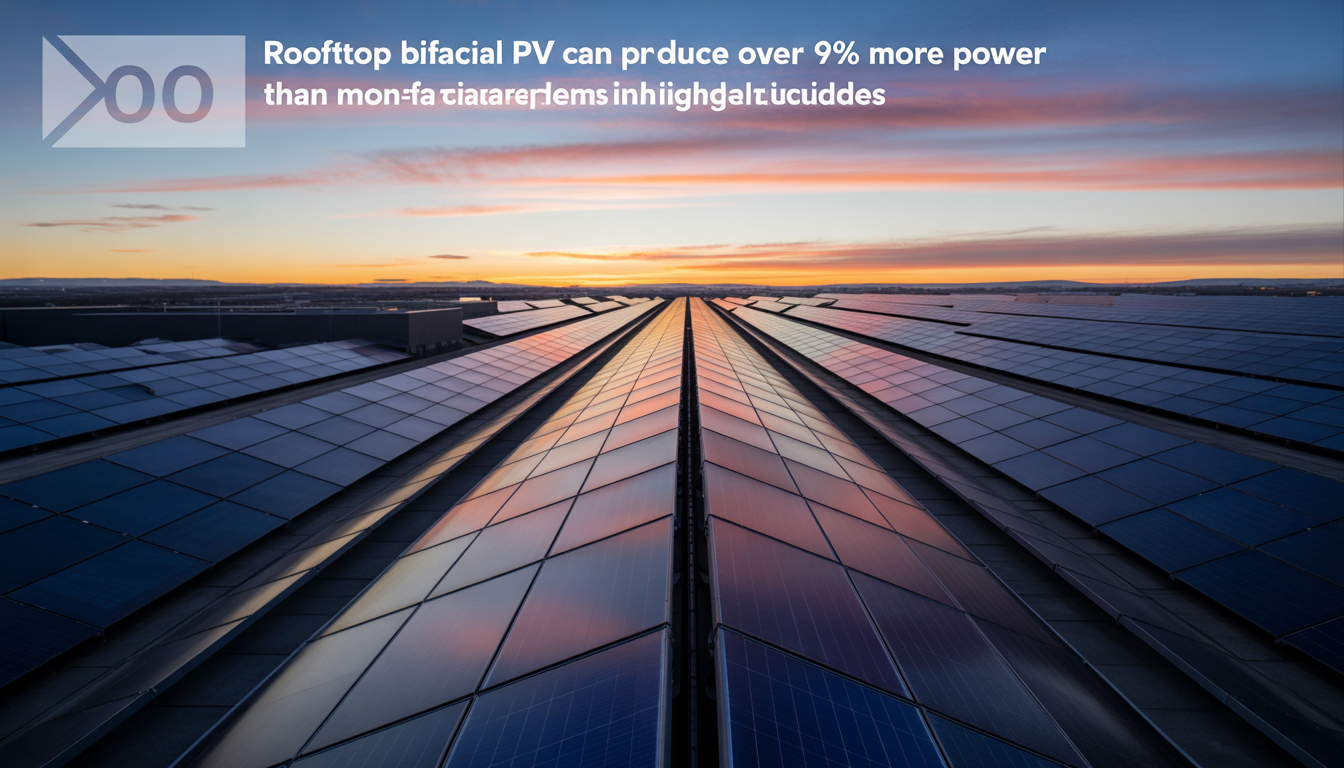
Bifacial photovoltaic (PV) panels are revolutionizing energy production, particularly in high-latitude regions. Unlike traditional monofacial panels that capture sunlight solely on their front side, bifacial panels harness sunlight on both sides, allowing them to convert reflected light into additional electricity. This design is particularly effective in snowy conditions, where the albedo effect—the reflectivity of surfaces like snow—can significantly enhance energy capture.
Significant Performance Gains in Cold Climates
Recent studies indicate that bifacial PV systems can produce between 9% and 13% more electricity compared to monofacial systems in high-latitude areas, especially during winter months when snow cover amplifies reflectivity. This increased energy yield not only improves the overall efficiency of solar installations but also contributes to a lower levelized cost of electricity (LCOE), making bifacial panels an economically appealing option.
The performance boost from bifacial panels is driven by several factors:
- Ground Reflectivity: Snow can exceed 90% reflectance, dramatically enhancing the rear-side irradiance captured by bifacial panels.
- Panel Orientation: Proper tilt and azimuth angles allow panels to capture the low-angle sun prevalent in winter.
- Mounting Height: Elevated installations can optimize the view factor, allowing more light to reach the rear side.
Technical Considerations for Optimizing Bifacial Systems
To maximize the benefits of bifacial PV systems, several design choices must be considered:
- Roof Surface: Utilizing white or reflective roofing materials can further enhance rear-side irradiance.
- Inter-row Spacing: Adequate spacing prevents self-shading, ensuring both sides of the panels receive optimal light.
- Maintenance: Addressing snow accumulation and ensuring that both sides of the panels remain clean is crucial for maximizing energy output.
Understanding these factors is essential for optimizing the performance of bifacial systems in cold climates, where conditions can be unpredictable.
Economic Viability of Bifacial PV Systems
The economic analysis of bifacial systems indicates that the higher initial costs associated with advanced mounting systems and reflective treatments can be offset by increased energy production. Techno-economic modeling shows that bifacial rooftop systems become particularly attractive in regions with high electricity prices and persistent snow cover, as they can generate substantial revenue during winter peak pricing periods. According to research, the optimal deployment of bifacial systems can lead to shorter payback periods, making them a savvy investment for both residential and commercial applications.
Future Directions and Research Needs
Despite the advantages, challenges remain. Key operational issues such as snow shedding, soiling, and long-term reliability under harsh conditions warrant further investigation. High-resolution weather data and innovative modeling techniques are required to enhance our understanding of bifacial performance in winter conditions. Addressing these gaps will be pivotal in refining the techno-economic models that govern bifacial PV deployment and ensuring their sustainability in diverse environments.
Conclusion: A Bright Future for Bifacial Technology
The potential of bifacial PV systems, particularly in high-latitude regions, presents a compelling case for their adoption. With the ability to leverage environmental conditions for enhanced energy production, bifacial technology not only meets the growing demand for renewable energy but also supports global sustainability goals. As the industry continues to innovate, the integration of bifacial systems into energy strategies will likely increase, paving the way for a more sustainable energy future.
Newer: China's Topcon Solar Cell Prices Decline Amid Cost Pressures →
Related articles
New Analysis Shows More US Consumers Are Falling Behind on Their Utility Bills
America’s household energy burden is climbing — and the latest data indicates that millions are now slipping into dangerous territory with unpaid utility bil...
Abb Finalizes Acquisition of Gamesa Electric
ABB strengthens renewable energy conversion portfolio with strategic acquisition In a decisive move to expand its footprint in renewable energy technology, S...
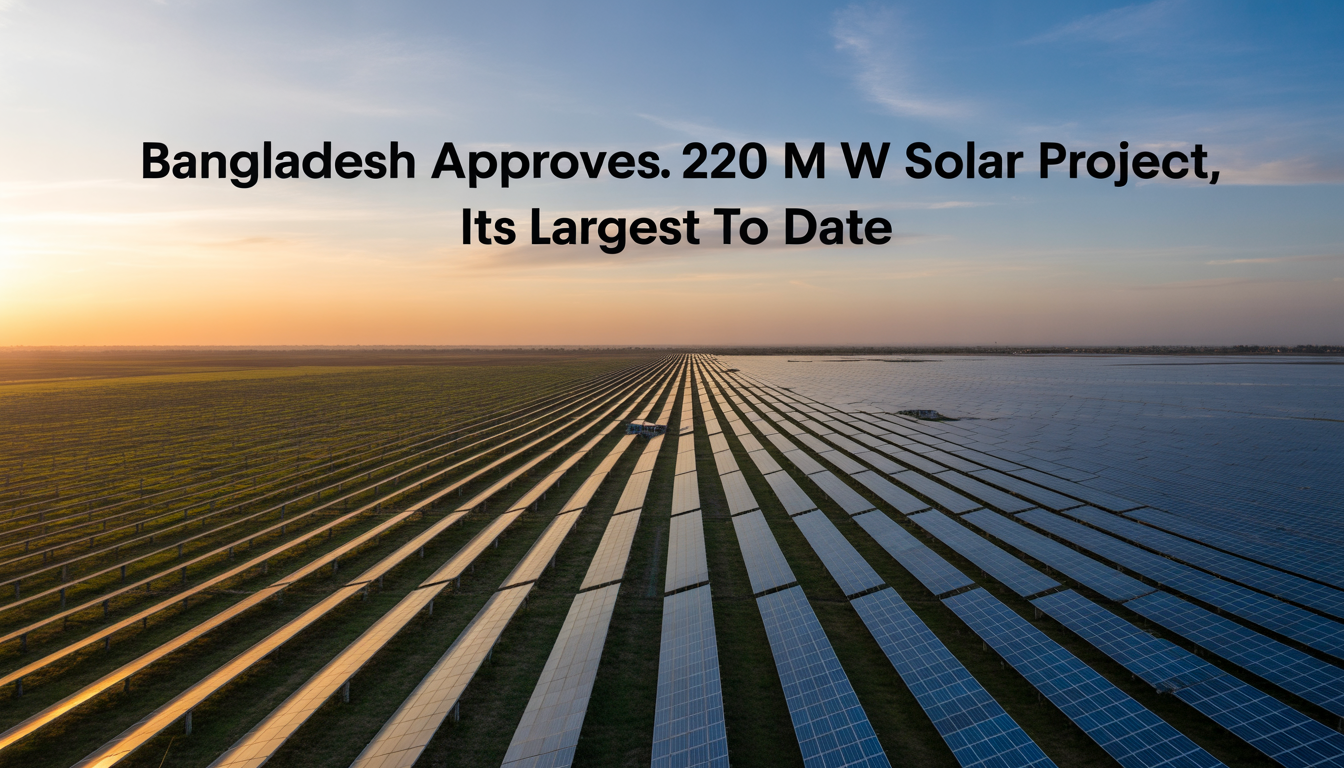
Bangladesh Approves 220 Mw Solar Project, Its Largest to Date
Strategic leap in Bangladesh’s renewable energy capacity Bangladesh is set to make a decisive stride in its clean energy transition with the approval of a 22...