Illuminating Rural Horizons: A Guide to Solar Adoption
The Rural Solar Revolution Begins
Rural America stands at the precipice of an energy transformation. With abundant open space and unobstructed sunlight, countryside regions hold natural advantages for solar deployment that urban areas simply can't match. As of early 2025, over 37.6 million U.S. homes are powered by solar systems, but significant untapped potential remains in rural landscapes.
The momentum is undeniable. The U.S. installed 8.6 GW of new solar capacity in Q4 2024 alone—a 21% increase from the prior year. By September 2025, an impressive 21 GW of utility-scale solar had been added, accounting for 75% of all new generation capacity nationwide, with many of these large installations finding homes in rural areas.
Rural regions offer compelling advantages for solar deployment:
- Lower land acquisition costs with fewer competing uses
- Minimal shading issues and optimal sun exposure
- Greater potential for large-scale installations
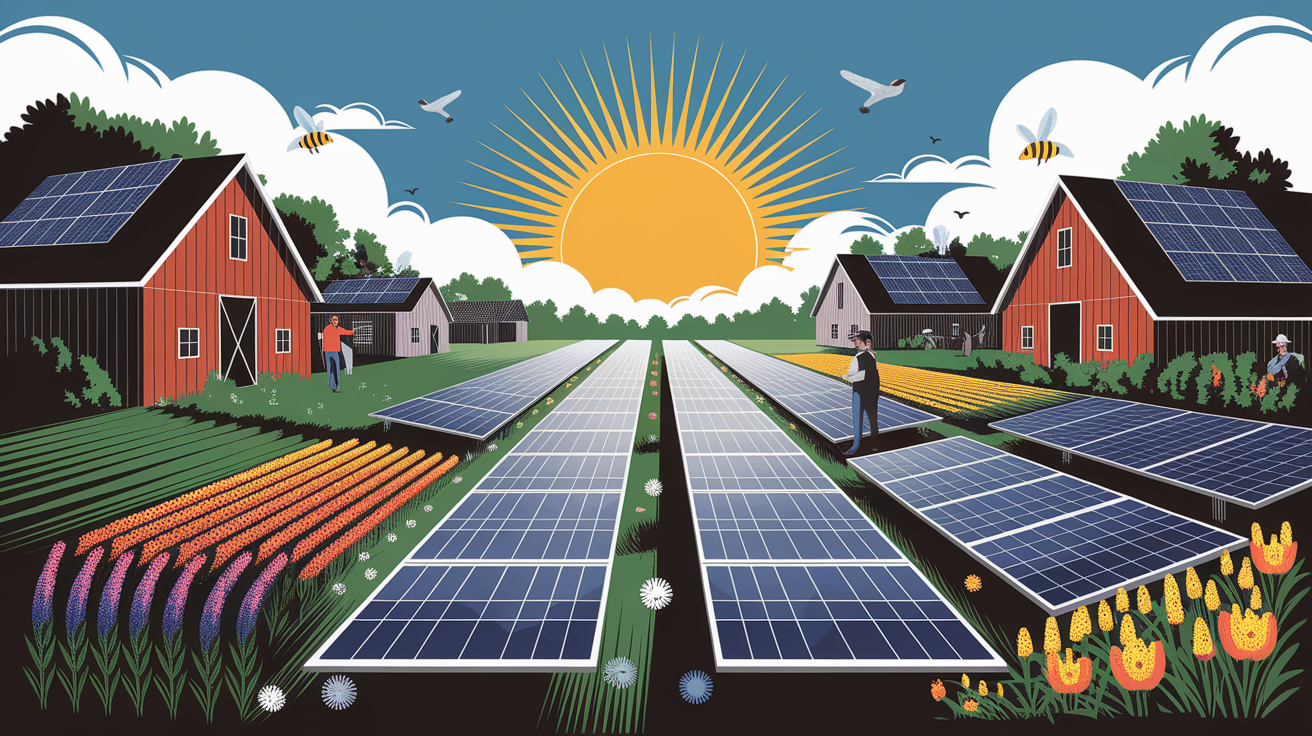
- Opportunities for dual-use with existing agricultural operations
- Energy independence benefits for remote properties
For rural landowners, solar represents more than just clean energy—it's a potential revenue stream and path to energy self-sufficiency that aligns with agricultural stewardship values.
Overcoming Challenges in Rural Solar Adoption
Despite the significant potential, rural solar adoption faces unique obstacles not encountered in urban deployments. Understanding these challenges is essential for developing effective implementation strategies.
Grid infrastructure limitations top the list of barriers. According to NREL's Spring 2025 update, residential solar installations dropped 32% in 2024 amid widespread interconnection constraints, with rural areas disproportionately affected. Many rural projects face extended delays as grid operators manage capacity limitations and upgrade requirements.
Key obstacles for rural solar adopters include:
- Limited Grid Capacity: Aging or insufficient infrastructure creates bottlenecks for new solar connections
- Higher Installation Costs: Remote locations often mean increased expenses for equipment transportation and installer travel
- Land Use Conflicts: Balancing solar deployment with agricultural production requires careful planning
- Access to Financing: Rural residents may encounter fewer lenders familiar with renewable energy investments
- Technical Expertise: Finding qualified installers and maintenance providers can be challenging in less populated areas
While states like California, Texas, and Florida lead with substantial solar capacity, many rural regions lag due to policy uncertainty and curtailment risks. Small-scale solar, often most relevant for rural homes and farms, constitutes about one-third of U.S. solar capacity but grows slower than utility-scale installations.
Tailoring Solar Solutions for Rural Needs
Successful rural solar implementation requires customized approaches that leverage countryside advantages while addressing unique challenges. One-size-fits-all urban deployment models simply don't translate to rural settings.
For properties with unreliable grid service, off-grid and hybrid systems paired with battery storage offer compelling alternatives. The Energy Information Administration projects that small-scale solar will reach 55 GW by end-2024, generating 83 billion kWh annually—critical capacity for ensuring rural energy reliability.
Innovative rural-specific solar applications include:
- Agrivoltaics: Dual-use systems that combine solar generation with continued agricultural production, maximizing land value
- Microgrids: Local energy networks that improve resilience and power quality for rural communities
- Mobile Solar: Portable systems that can power remote operations or seasonal agricultural activities
- Solar Irrigation: Dedicated systems that power water pumps for agriculture, reducing operating costs
Technical design considerations must account for rural realities like longer distances to service providers, potentially harsher weather conditions, and variable grid quality. The Department of Energy highlights how distributed energy systems significantly enhance rural grid resilience, an important benefit beyond simple electricity generation.
Navigating Policy and Incentives
Financial incentives and supportive policies dramatically improve the economics of rural solar adoption. The federal Investment Tax Credit (ITC) offers a substantial 30% reduction in system costs through 2032, making projects viable that otherwise might not pencil out. This tax credit significantly lowers barriers for rural property owners considering solar investments.

Beyond the ITC, rural solar adopters should explore:
- USDA's Rural Energy for America Program (REAP): Grants and guaranteed loans specifically designed for renewable energy systems on agricultural operations and rural small businesses
- State Incentives: Additional rebates, tax exemptions, and performance-based incentives that vary significantly by location
- Net Metering: Policies determining how rural solar producers are compensated for excess electricity sent to the grid
- Property Tax Exemptions: Many jurisdictions exempt solar equipment from property tax assessments
- Business Depreciation: Accelerated depreciation benefits available for commercial rural solar installations
Understanding program eligibility requirements is critical, as some incentives are specifically targeted toward agricultural producers or rural businesses. The fragmented policy landscape means opportunities vary significantly by location, creating both challenges and opportunities for strategic deployment.
Success Stories: Rural Solar in Action
Across America's rural landscapes, solar success stories demonstrate the practical benefits and innovative applications possible when challenges are addressed thoughtfully.
California leads the nation with 49,777 MW of installed solar capacity, including numerous agricultural operations that have integrated solar with farming. These installations range from rooftop systems on farm buildings to sophisticated agrivoltaic setups that allow crop production beneath solar panels.
Texas has emerged as another rural solar powerhouse, adding 2.4 GW in Q3 2024 alone. Many of these projects represent partnerships between ranchers and solar developers, where grazing continues among solar arrays, maintaining agricultural productivity while creating new revenue streams.
Notable rural solar implementation patterns include:
- Agricultural Integration: Farms powering irrigation systems, processing facilities, and operations with on-site solar
- Energy Independence: Remote properties utilizing solar-plus-storage to reduce or eliminate dependency on unreliable grid connections
- Community Solar: Rural electric cooperatives and municipalities developing shared facilities that benefit multiple members
- Brownfield Repurposing: Converting marginal or contaminated rural land into productive solar generation sites
Florida exemplifies the residential growth potential, with 30,000 new solar households added in 2024, many in rural areas. These homeowners are protecting themselves from utility rate increases while increasing property values.
Lighting the Path Forward
The future for rural solar adoption looks increasingly bright, supported by continued technological improvements, policy momentum, and compelling economics. FERC anticipates 91 GW of high-probability solar additions by 2028, with much of this capacity destined for rural areas where land is available and affordable.
For rural property owners considering solar adoption, several action steps can ensure successful implementation:
- Conduct thorough site assessments to understand property-specific opportunities and constraints
- Research available incentives at federal, state, and local levels using resources like SEIA's interactive state policy map
- Engage with developers experienced in rural installations rather than urban-focused installers
- Consider agricultural compatibility and dual-use potential where relevant
- Plan for long-term operation and maintenance in potentially remote locations
As battery storage technology improves and costs decline, the value proposition for rural solar will only strengthen. The ability to store excess production addresses intermittency concerns while providing resilience against increasingly common grid disruptions.
By addressing the unique challenges and leveraging the natural advantages of rural settings, solar adoption can bring substantial benefits to America's countryside—from energy independence and resilience to new revenue streams and environmental stewardship.
Newer: Understanding Economic Viability and Cost Analysis: A Pragmatic Approa →
Related articles

Empowering Tomorrow: The Role of Education in Sustainable Solar Technology
Discover how solar technology education is transforming our energy landscape through innovative teaching methods, industry partnerships, and policy initiativ...
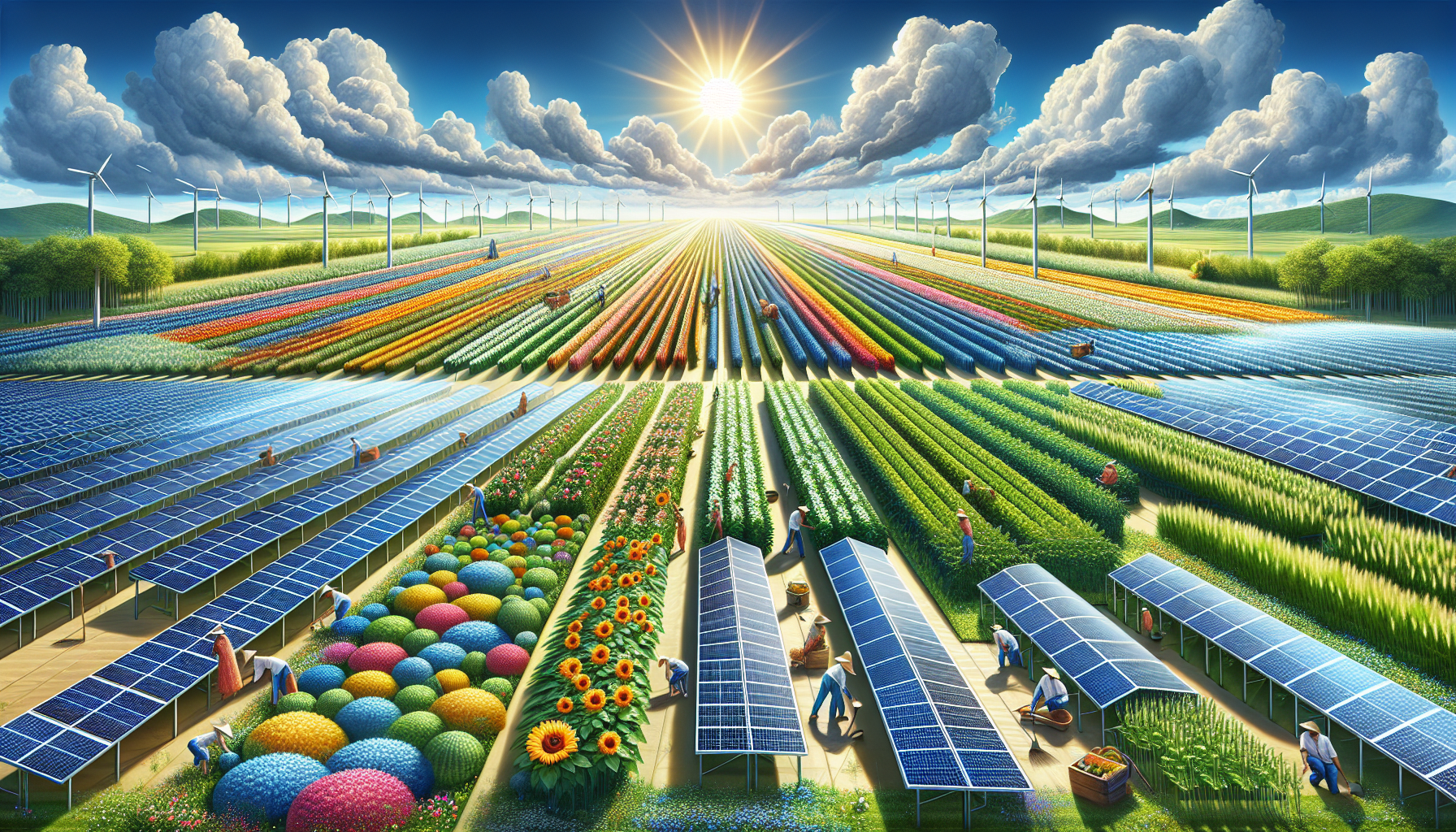
Harnessing the Sun: Smart Strategies for Agriculture-Solar Integration
Discover how agrivoltaics maximizes land use by combining solar energy with agriculture, boosting farm income while enhancing crop yields, water conservation...
Unlocking Solar Potential: Financing Pathways for Developing Nations
Discover how innovative solar financing mechanisms are helping developing nations overcome investment barriers and unlock their renewable energy potential wi...