Pakistan's New Net Metering Rules: a Game Changer for Rooftop Solar Energy
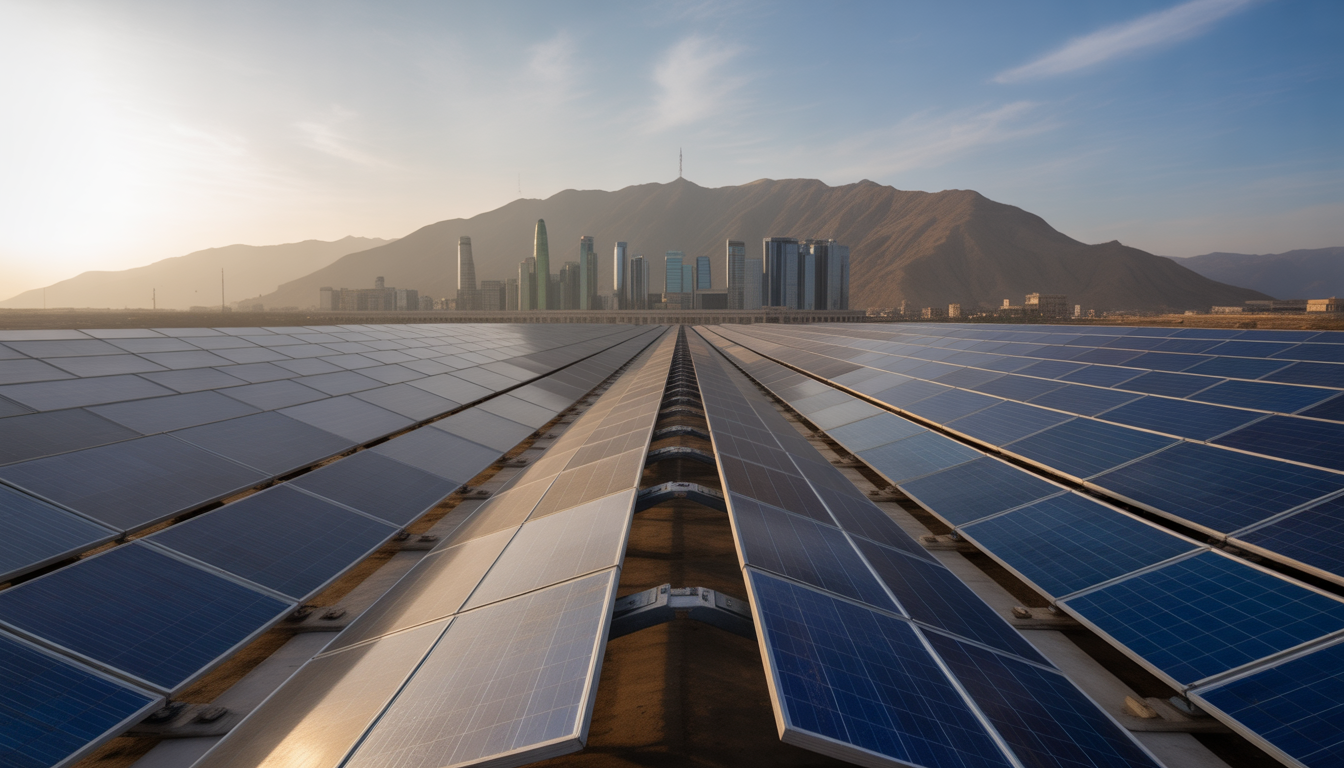
In a significant move towards enhancing the solar energy landscape, Pakistan's National Electric Power Regulatory Authority (NEPRA) has proposed revisions to the existing net metering regulations that govern rooftop photovoltaic (PV) systems. This initiative aims to streamline solar energy utilization and bolster the country's renewable energy goals, while also addressing the challenges faced by the grid and distribution companies.
Understanding the Proposed Changes
The proposed regulations, known as the Draft Prosumer Regulations 2025, are set to replace the 2015 framework. A key aspect of these changes includes a reduction in the tariff for surplus solar power generated by consumers. Currently, the tariff stands at PKR 26 (approximately $0.093) per kilowatt-hour (kWh), but NEPRA is considering halving this rate to PKR 13 per kWh. This adjustment reflects a strategic effort to encourage smaller solar projects and promote stability within the electricity grid.
Impact on Consumers and the Market
- Encouragement for Smaller Installations: The revised rules propose a cap on generation at the sanctioned load, which aims to support smaller solar installations while eliminating the previous allowance for generation up to 1.5 times the sanctioned load.
- Smart Metering Implementation: The introduction of smart metering and net billing is expected to enhance tracking and management of electricity consumption and generation, providing consumers with better insights into their energy use.
- Promoting Prosumers: With these changes, consumers will continue to have the opportunity to become 'prosumers', effectively generating their own electricity and contributing surplus back to the grid.
According to PV Magazine, the feedback period for these proposals will last 30 days, allowing stakeholders to voice their opinions and concerns regarding the new regulations.
The Solar Boom: Current Landscape and Future Prospects
Pakistan has experienced remarkable growth in rooftop solar capacity, with over 6 GW of net-metered capacity added from 2015 to mid-2025. Notably, in the first half of 2025 alone, 1.2 GW was installed, indicating a robust momentum in solar energy adoption. In April 2025, rooftop solar output peaked at over 300 GWh, representing 2-3% of the country’s total electricity generation. This surge is linked to a significant increase in the import of solar PV panels, which reached 17 GW in 2024.
Challenges Ahead and the Need for Balanced Policies
While the growth of rooftop solar presents numerous benefits, it also poses challenges for utility companies. The rapid proliferation of solar systems has led to concerns about reduced fixed cost recovery and increased debt for distribution companies (DISCOs). Unregistered systems create tracking blind spots, which can further complicate grid management.
Experts recommend implementing comprehensive reforms, including grid upgrades, time-of-day pricing, and stakeholder consultations, to sustain growth without compromising grid stability. Balancing incentives for solar adoption while ensuring the reliability of the electricity grid is crucial for the future of Pakistan's energy landscape.
Conclusion: A Step Towards a Sustainable Future
The proposed net metering regulations in Pakistan signify a pivotal step in the nation's journey towards achieving its renewable energy targets. By fostering a conducive environment for solar energy adoption, the government aims to position Pakistan as a regional leader in renewable energy solutions. As these regulations evolve, both consumers and industry stakeholders must stay informed and engaged to ensure a balanced approach that benefits all parties involved.
Newer: Geon Unveils Innovative Gelithium Inverter Battery for Homes and Busin →
Related articles
Transforming Fallowed Fields: California Water District's Ambitious Solar Plans
Innovative Energy Production on Unproductive Lands The Westlands Water District, the largest irrigation district in the United States, is embarking on a grou...

India's New 20% Domestic Content Rule: a Game Changer for Battery Storage Funding
The Indian government has set a transformative benchmark for battery energy storage projects with the introduction of a 20% domestic content rule under its V...

Rei Co-Op Champions Renewable Energy Initiatives Across the Nation
REI Co-op, a leader in outdoor recreation and sustainability, is stepping up its commitment to renewable energy by supporting numerous projects nationwide. T...