Power Optimizers vs Microinverters: Which MLPE Option Is Better for Your Roof?
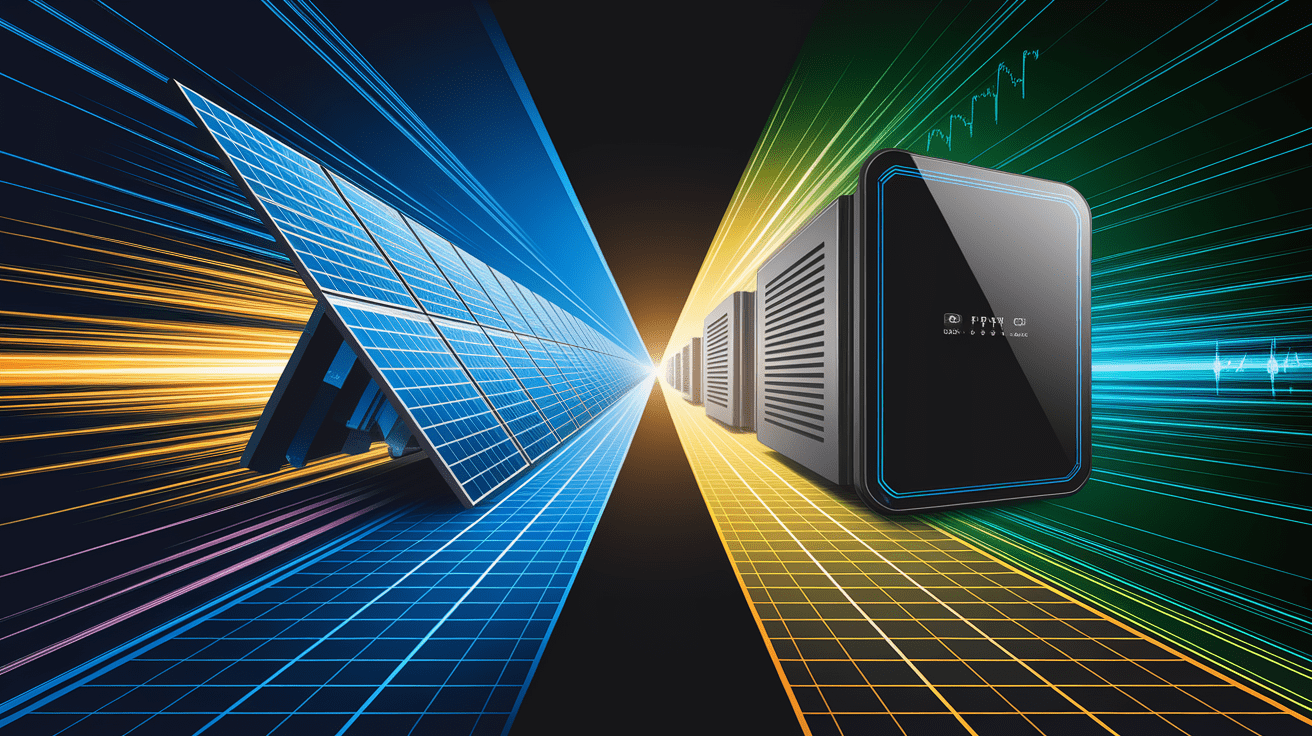
Terminology: Power optimizers and microinverters are both module-level power electronics (MLPE). They can improve monitoring and shade performance, but the best choice depends on roof layout, budget, service strategy, and local code requirements.
The Basic Difference
A microinverter converts DC to AC at each solar module. A power optimizer conditions DC at each module, then sends optimized DC to a central string inverter. Both approaches can reduce the impact of mismatch from shade, soiling, different roof planes, or module aging.
Shade and Complex Roofs
For roofs with multiple orientations, chimneys, dormers, or partial shade, MLPE can outperform a simple string inverter. Microinverters give each module its own inverter. Optimizers give each module tracking but still rely on a central inverter. In real projects, layout and product ecosystem often matter as much as the category.
Monitoring and Troubleshooting
Both systems typically provide module-level monitoring. That makes it easier to spot a failed panel, dirty module, or connector issue. Microinverters may isolate failures to one panel, while optimizer systems can involve both module electronics and the central inverter when troubleshooting.
Cost and Service Tradeoffs
| Question | Microinverters | Power Optimizers |
|---|---|---|
| Central inverter? | No | Yes |
| Roof electronics? | One inverter per module | One optimizer per module |
| Expansion | Often flexible | Depends on string/inverter limits |
| Service | Roof-level replacement if one fails | Roof-level optimizer plus central inverter considerations |
Safety and Code
Modern rooftop PV must meet rapid-shutdown and equipment listing requirements that vary by code cycle and jurisdiction. MLPE is often used to satisfy module-level shutdown requirements, but the exact design must be approved by the authority having jurisdiction.
Which Should You Choose?
- Choose microinverters when roof planes vary, expansion flexibility matters, or you prefer distributed AC conversion.
- Choose optimizers when you want module-level tracking but also want a central inverter architecture.
- Consider a standard string inverter only for simple, unshaded roofs where code and design allow it.
Sources
Newer: Taming the Waves: Solar Inverter Harmonics & Power Quality →
Related articles
Power Play: LiFePO4 vs Sodium Ion Batteries
Introduction - The Battery Battle Begins The race for efficient, affordable energy storage is intensifying as renewable energy adoption accelerates worldwide...
Micro-inverter vs String Inverter: A Straightforward Comparison
Kickstarting the Current At the core of every solar energy system lies a critical component: the inverter. This device is responsible for DC to AC conversion...
Comparing the Dr.Prepare and Siekon 12.8V 100Ah LiFePO₄ Batteries
When investing in a LiFePO₄ (lithium iron phosphate) battery, it helps to understand the key features and benefits of the options available. In this guide, w...