Home Solar Microgrid Guide: Design, Batteries, Islanding, Costs, and Permits
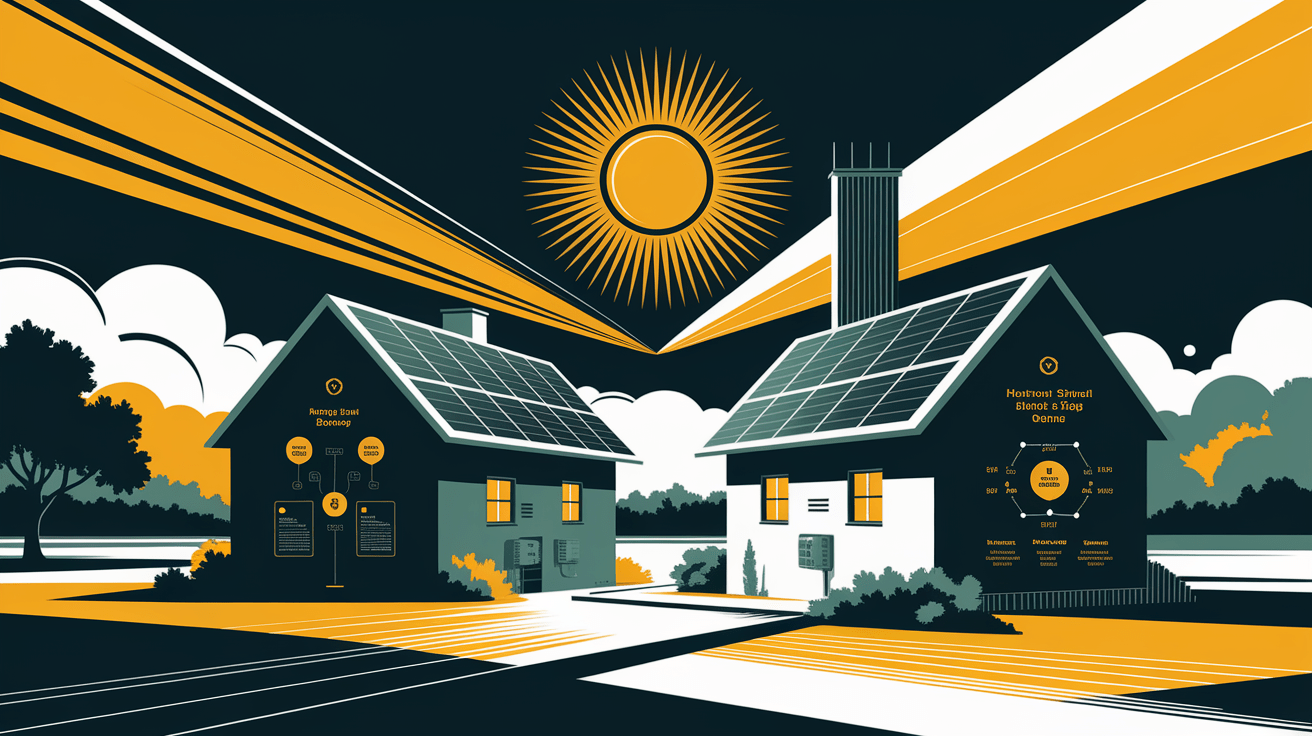
Important: A home microgrid touches utility interconnection, service equipment, transfer/islanding controls, batteries, and emergency backup loads. Use this guide for planning questions, then have a qualified installer or licensed electrician design and permit the system.
What a Home Solar Microgrid Actually Is
A residential solar microgrid is a local power system that can operate with the utility grid and, when properly designed, separate from it during an outage. The core pieces are solar panels, battery storage, a hybrid or grid-forming inverter, transfer/islanding protection, monitoring, and a critical-loads panel or whole-home backup configuration.
The goal is not just “solar plus a battery.” A microgrid must know when the grid is down, isolate safely so it does not energize utility lines, form stable voltage and frequency for the home, and reconnect correctly when utility service returns.
Step 1: Define Critical Loads
Start by deciding what must run during an outage. Typical critical loads include refrigeration, internet, lighting, well pump, medical equipment, garage door opener, selected outlets, and sometimes a small HVAC circuit. Large electric loads such as resistance heat, whole-home air conditioning, EV charging, electric ranges, and dryers can drain batteries quickly.
List each load, running watts, surge watts, and required hours per day. This determines inverter output and battery capacity. A system sized for a refrigerator and lights is very different from one expected to carry a whole home through a multi-day outage.
Step 2: Choose the Backup Architecture
- Critical-loads panel: usually the most cost-effective and predictable approach. Only selected circuits are backed up.
- Whole-home backup: more convenient, but requires larger inverters, larger batteries, load controls, and careful expectations.
- Manual or automatic load management: prevents heavy loads from starting when the battery or inverter cannot support them.
Step 3: Size Solar and Storage Together
Battery capacity is measured in kilowatt-hours; inverter capacity is measured in kilowatts. A 10 kWh battery can theoretically deliver 1 kW for 10 hours, but real systems lose energy through conversion, battery reserves, temperature limits, and aging. Solar array size determines how quickly the battery can recover after an outage, especially in winter or cloudy weather.
A good design checks three scenarios: daily self-consumption, a short evening outage, and a longer outage with poor weather. If the long-outage case matters, plan for more storage, generator integration, or stricter load shedding.
Step 4: Islanding, Interconnection, and Permits
Grid-connected microgrids require anti-islanding protection and utility interconnection approval. The equipment must disconnect from the grid during outages so line workers are not exposed to backfeed. Local building departments may also review roof attachments, electrical diagrams, battery location, rapid shutdown, labeling, and fire access.
Requirements vary by jurisdiction and utility. Before buying hardware, ask the installer which codes apply locally and whether the equipment is listed for the intended backup configuration.
Step 5: Monitoring and Maintenance
Monitoring should show solar production, household consumption, battery state of charge, grid status, and backup events. Review this data monthly. Test backup operation before storm season, keep firmware current, and verify that critical circuits still match your household’s needs.
Sources
Newer: Grid-Tied vs Off-Grid Solar Systems: A Clear Comparison →
Related articles

Empowering Tomorrow: The Role of Education in Sustainable Solar Technology
Discover how solar technology education is transforming our energy landscape through innovative teaching methods, industry partnerships, and policy initiativ...

Harnessing the Sun: Smart Strategies for Agriculture-Solar Integration
Discover how agrivoltaics maximizes land use by combining solar energy with agriculture, boosting farm income while enhancing crop yields, water conservation...
Unlocking Solar Potential: Financing Pathways for Developing Nations
Discover how innovative solar financing mechanisms are helping developing nations overcome investment barriers and unlock their renewable energy potential wi...