Tiny Home Solar Guide: How to Size Panels, Batteries, Inverters, and Backup Loads
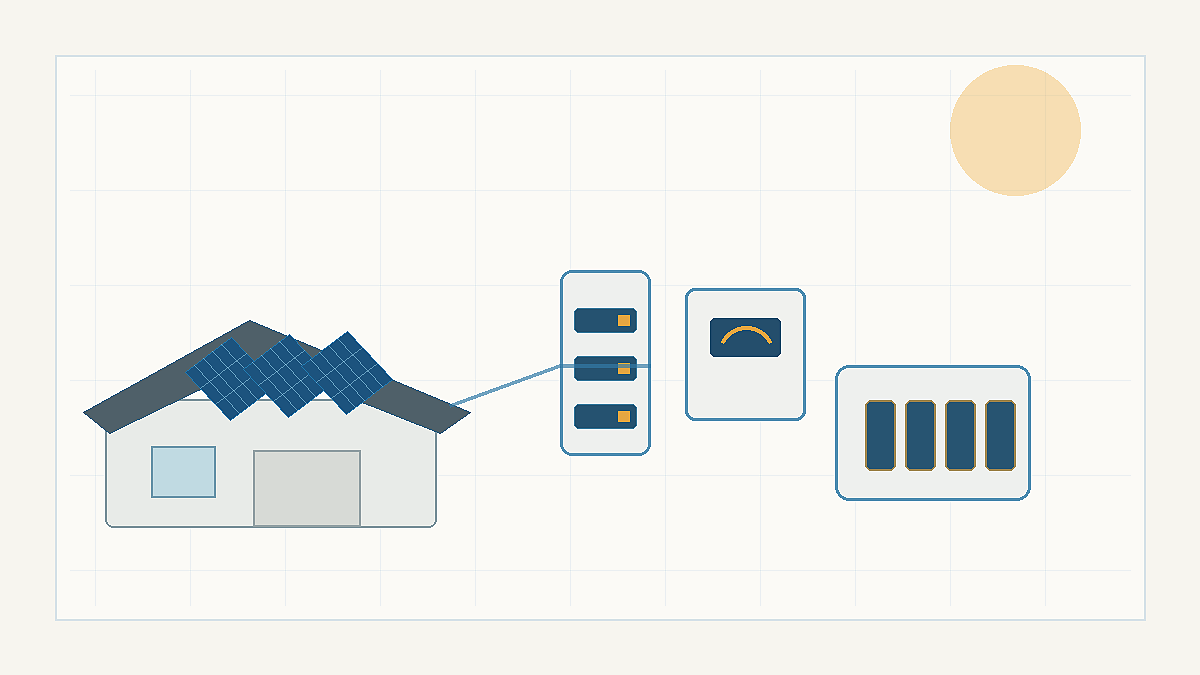
Safety note: Tiny homes often combine small spaces, mobile structures, batteries, propane, and compact electrical panels. Use listed equipment, protect batteries from heat and moisture, and have permanent wiring reviewed by a qualified electrician.
Begin With a Load List
Tiny-home solar works best when the design starts with actual loads, not roof area. Create a table with each device, running watts, surge watts, and hours per day. Refrigeration, water pumps, induction cooktops, air conditioning, electric water heating, and space heating dominate the design. Phones and LED lights are minor by comparison.
Daily energy use in a very efficient tiny home may be 2-5 kWh. Add electric cooking, mini-split heating, or an EV charger and the number can rise quickly. The solar array and battery must support the lifestyle you actually want, not an average from a different climate.
Roof Area Is the Hard Limit
A tiny-home roof may only fit a few modules after skylights, vents, shade, and edge setbacks. If the roof cannot hold enough PV, consider a ground mount, awning mount, portable array, or a hybrid approach. Mobile tiny homes also need secure mounting designed for road vibration and wind.
Battery Sizing
For off-grid use, size batteries around both overnight loads and cloudy-day reserve. A common starting point is one to two days of usable storage, then adjust for climate and backup expectations. Lithium iron phosphate batteries are popular because they provide deep cycling and long life, but they still need correct charging profiles, temperature protection, fusing, and ventilation clearances specified by the manufacturer.
Inverter Sizing
The inverter must handle continuous loads and short startup surges. A small inverter may run lights and electronics but fail when a pump, compressor, or microwave starts. Oversizing too far can waste standby energy. If you use large AC loads, compare their surge requirements to the inverter’s surge rating, not only its continuous rating.
Grid-Tied, Off-Grid, or Hybrid?
- Grid-tied: lowest storage requirement, but usually no power during outages unless paired with approved backup equipment.
- Off-grid: maximum independence, but demands disciplined load management and enough storage for bad weather.
- Hybrid: a practical middle path for homes that connect to shore power or the grid but want backup capability.
Practical Design Checklist
- Reduce loads before buying more panels.
- Separate critical loads from optional comfort loads.
- Use DC appliances where they genuinely reduce conversion losses.
- Leave access for battery service and emergency disconnects.
- Plan expansion wiring before walls and cabinets are finished.
Sources
Newer: Solar Panel Shading Solutions: How to Diagnose Shade Loss and Fix It →
Related articles

Empowering Tomorrow: The Role of Education in Sustainable Solar Technology
Discover how solar technology education is transforming our energy landscape through innovative teaching methods, industry partnerships, and policy initiativ...

Harnessing the Sun: Smart Strategies for Agriculture-Solar Integration
Discover how agrivoltaics maximizes land use by combining solar energy with agriculture, boosting farm income while enhancing crop yields, water conservation...
Unlocking Solar Potential: Financing Pathways for Developing Nations
Discover how innovative solar financing mechanisms are helping developing nations overcome investment barriers and unlock their renewable energy potential wi...