Solar Grounding and Lightning Protection: What Homeowners Should Know
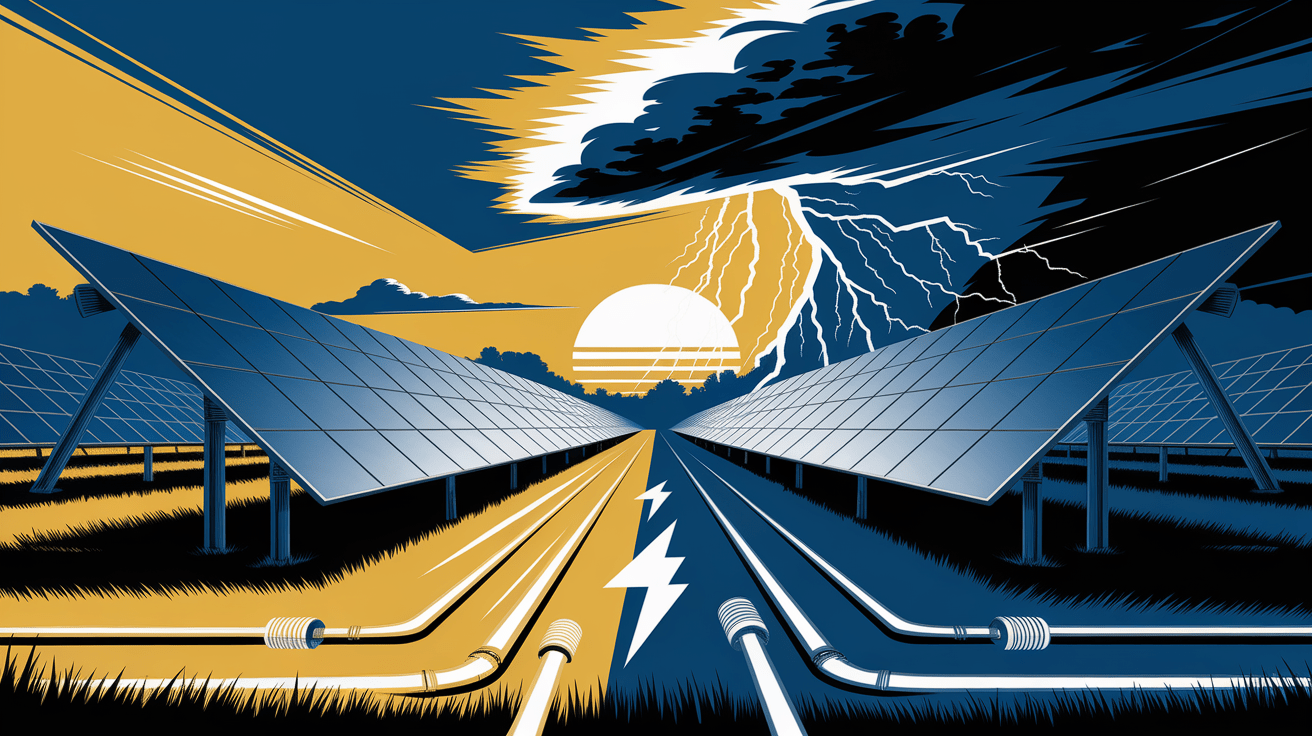
Electrical safety warning: Grounding, bonding, lightning protection, service equipment, and surge protection are not DIY guesswork. This article explains concepts for homeowners; design and installation should be handled by qualified professionals under the adopted electrical code.
Grounding vs Bonding
Grounding connects electrical systems to earth for voltage stabilization and fault handling. Bonding connects metal parts together so they remain at the same electrical potential. In a solar installation, both concepts matter because modules, rails, inverters, disconnects, service equipment, and battery systems must work together safely.
Why Solar Adds Complexity
PV arrays are often mounted on roofs, exposed to weather, and connected to power electronics that interact with the utility service. The system may include DC circuits, AC circuits, batteries, rapid shutdown devices, communications wiring, and metal racking. A grounding mistake can create shock hazards, nuisance faults, equipment damage, or fire risk.
Lightning Protection Is Not the Same as Grounding
Standard equipment grounding does not make a roof immune to lightning. Lightning protection systems are specialized designs intended to intercept and route lightning energy safely. Surge protective devices can reduce damage from transient voltages, but they do not guarantee protection from a direct strike.
Surge Protection
Surge protective devices may be installed at service equipment, inverters, combiner boxes, or other points depending on system design. They are especially worth discussing in regions with frequent lightning, long conductor runs, or expensive battery/inverter equipment.
Questions to Ask Your Installer
- Which electrical code edition and local amendments apply here?
- How are module frames and racking bonded?
- Where are surge protective devices installed?
- How does rapid shutdown operate?
- How will grounding and bonding work if batteries or a generator are added later?
Red Flags
Call a professional if you see corroded bonding jumpers, missing labels, damaged conduit, repeated ground-fault errors, melted connectors, water intrusion, or unexplained inverter shutdowns after storms.
Sources
Newer: Hybrid Solar Storage Guide: How Solar Panels, Batteries, and Hybrid Inverters Work Together →
Related articles

Empowering Tomorrow: The Role of Education in Sustainable Solar Technology
Discover how solar technology education is transforming our energy landscape through innovative teaching methods, industry partnerships, and policy initiativ...

Harnessing the Sun: Smart Strategies for Agriculture-Solar Integration
Discover how agrivoltaics maximizes land use by combining solar energy with agriculture, boosting farm income while enhancing crop yields, water conservation...
Unlocking Solar Potential: Financing Pathways for Developing Nations
Discover how innovative solar financing mechanisms are helping developing nations overcome investment barriers and unlock their renewable energy potential wi...