Harnessing the Sun: Virtual Power Plants and Solar Aggregation Basics
A Shining Start: Quick Look at Solar-Powered Virtual Power Plants
Rooftop photovoltaic (PV) systems and solar farms are no longer just standalone producers of clean electricity—they are becoming vital components of virtual power plants (VPPs). By aggregating multiple distributed solar generation assets, VPPs act like a unified, flexible power station, delivering energy to the grid when and where it’s most valuable.
In practical terms, solar-powered VPPs turn a network of otherwise independent solar arrays into a coordinated energy resource capable of participating in electricity markets, providing ancillary grid services, and enhancing overall grid stability. This integration opens opportunities for small-scale producers—such as residential and commercial solar owners—to contribute to large-scale energy optimization and benefit from revenue streams previously reserved for major utilities.
Core Concepts Behind Solar Aggregation in VPPs
Solar aggregation in a VPP means pooling multiple small-scale solar installations into a controllable, dispatchable energy portfolio. This creates a critical bridge between variable, distributed solar production and the operational needs of the modern smart grid.
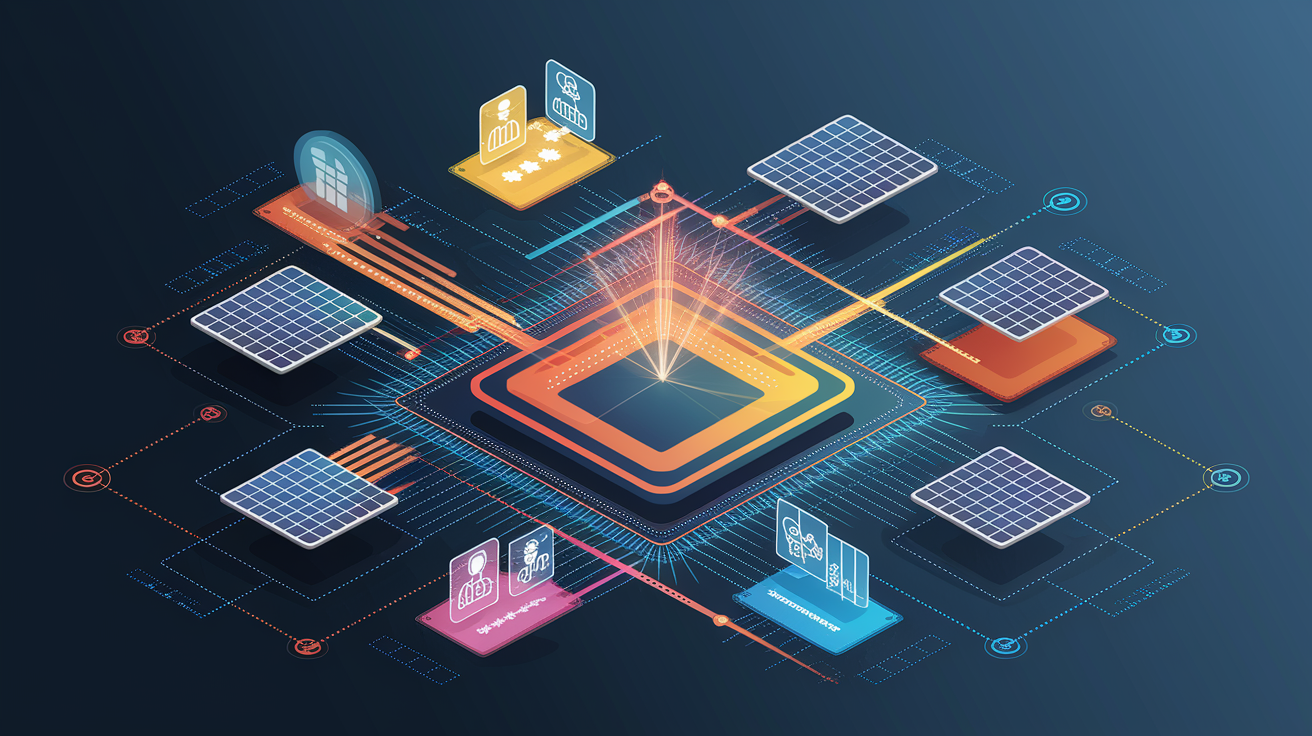
- Distributed Energy Resources (DERs): Includes rooftop solar, ground-mount PV systems, battery storage, and controllable loads.
- Centralized Coordination: An advanced energy management system monitors and dispatches aggregated solar output to meet market and grid requirements in real time.
- Market Access: Aggregated solar fleets can meet minimum bid sizes for participation in ancillary services markets, enabling access to services like frequency regulation and demand response.
- Enhanced Forecasting: Geographic diversity within an aggregation reduces output volatility and improves predictability.
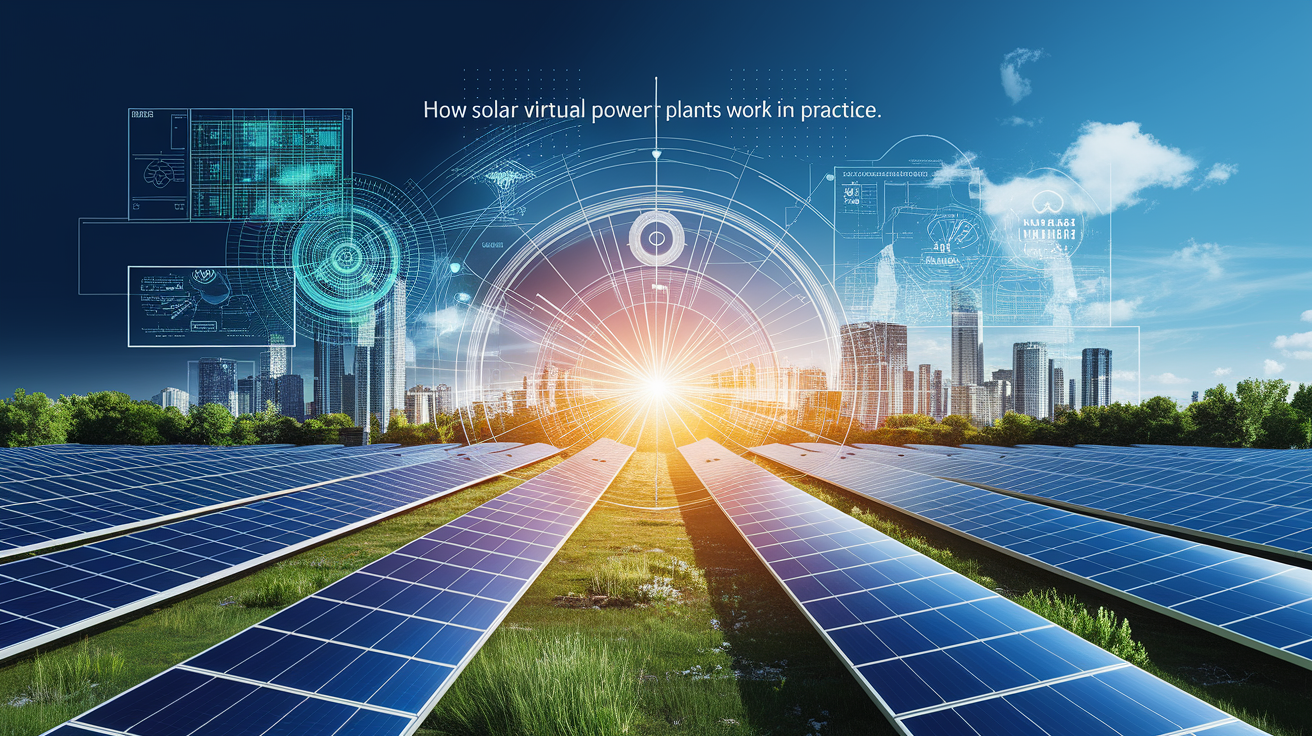
How Solar Virtual Power Plants Work in Practice
At the heart of a solar VPP is a central control platform that communicates with solar inverters, battery storage systems, and the grid in real time. This platform uses weather forecasting, production data, and grid demand signals to optimize dispatch.
- Data Collection: Each solar asset transmits real-time output data and operational status to the VPP control center.
- Forecasting and Optimization: Predictive algorithms model expected generation based on irradiance and load patterns, scheduling dispatch for maximum economic and grid value.
- Energy Dispatch: The VPP issues control signals to solar arrays and storage units, ramping output up or down, or charging/discharging batteries as needed.
- Market Participation: Aggregated capacity is bid into wholesale energy, capacity, or balancing markets, often capitalizing on high-price peak demand events.
For example, during a summer afternoon peak, a VPP can draw energy from hundreds of residential batteries charged with solar during the day, reducing strain on the grid while delivering profitable market services.
Key Benefits and Use Cases
- Grid Stability: By using solar aggregation to smooth output fluctuations, VPPs enhance frequency and voltage stability.
- Revenue Streams: Small producers gain access to energy trading opportunities, selling excess power or providing demand response services.
- Higher Renewable Penetration: Aggregated dispatchability addresses solar’s intermittency, enabling greater renewable energy integration without compromising grid reliability.
- Optimized Asset Utilization: VPPs ensure that both solar generation and battery storage are leveraged to their fullest economic and technical potential.
In real-world applications, VPPs have enabled residential solar owners, commercial facilities, and even community microgrids to participate in energy markets traditionally dominated by centralized utilities. These systems not only reduce carbon emissions but also unlock more resilient, decentralized energy infrastructure.

The Road Ahead: Powering the Future with Solar Aggregation
Solar aggregation within virtual power plants is positioned to become a cornerstone of grid modernization. As battery costs decline, smart inverter technology advances, and regulatory frameworks evolve, we will likely see wider adoption of distributed solar energy management systems capable of sophisticated market participation.
To fully realize their potential, stakeholders must address challenges such as cybersecurity, interoperability between different equipment manufacturers, and compliance with complex market and telemetry requirements. Efforts are already underway to standardize communication protocols and build robust, cloud-based control platforms that can securely manage thousands of distributed assets.
Actionable Insight: For solar owners, joining a VPP can mean turning a passive asset into an active revenue generator while supporting a cleaner, more resilient energy system. For utilities and grid operators, solar aggregation in VPPs offers a flexible, scalable tool for balancing supply and demand in an increasingly renewable-powered world.
Newer: Sunlit Soil Strategies: A Focused Guide to Solar Farm Land Use and Soi →
Related articles

Empowering Tomorrow: The Role of Education in Sustainable Solar Technology
Discover how solar technology education is transforming our energy landscape through innovative teaching methods, industry partnerships, and policy initiativ...
Harnessing the Sun: Smart Strategies for Agriculture-Solar Integration
Discover how agrivoltaics maximizes land use by combining solar energy with agriculture, boosting farm income while enhancing crop yields, water conservation...
Unlocking Solar Potential: Financing Pathways for Developing Nations
Discover how innovative solar financing mechanisms are helping developing nations overcome investment barriers and unlock their renewable energy potential wi...