New Jersey's Agrivoltaics Initiative: a Game Changer for Sustainable Farming
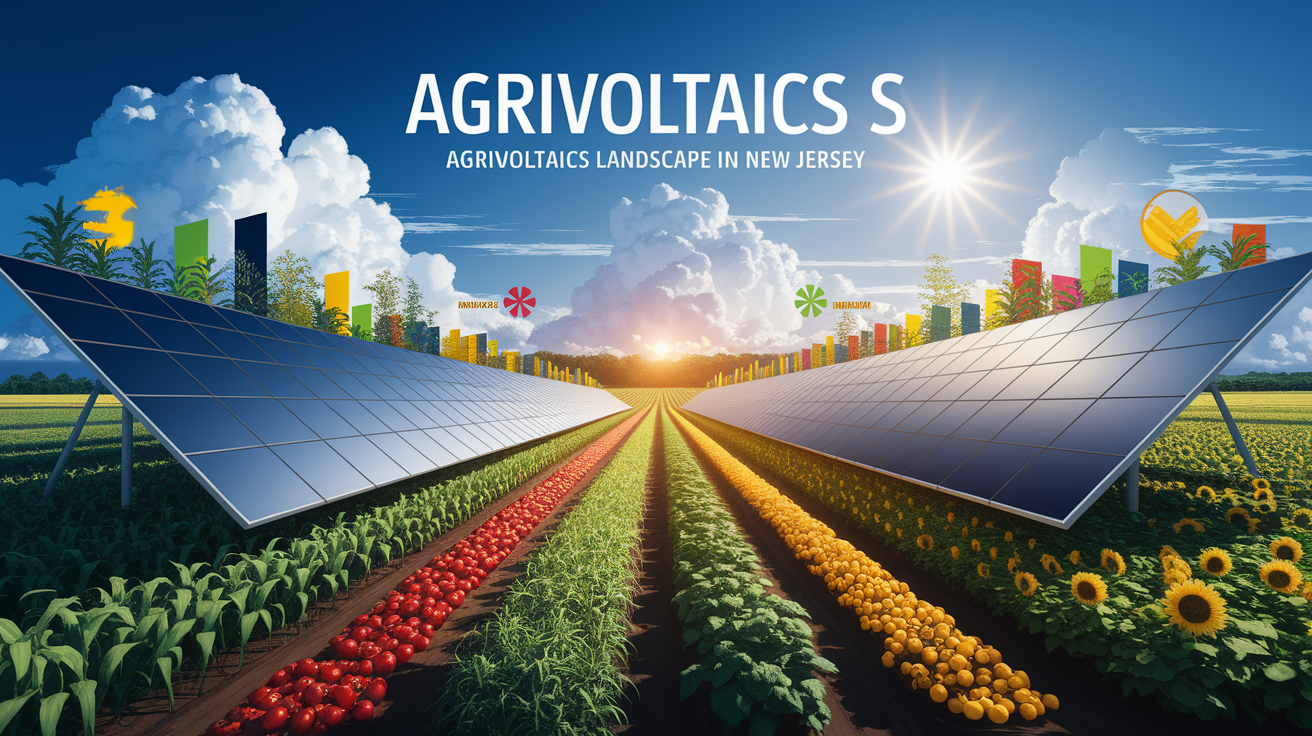
Innovative Co-Location of Agriculture and Solar Energy
New Jersey is set to transform its approach to renewable energy with the introduction of a new pilot program designed to incentivize agrivoltaics projects. This initiative, launched by the New Jersey Board of Public Utilities (NJBPU), aims to support up to 65 megawatts (MW) of agrivoltaics, a dual-use solar technology that simultaneously promotes agricultural production and clean energy generation. According to the NJBPU, the program is part of a larger effort to balance farmland preservation with sustainable energy solutions amid increasing demands for energy resources.
Understanding Agrivoltaics
Agrivoltaics, also known as dual-use solar, combines solar energy generation with agricultural activities on the same land. This innovative approach not only maximizes land use but also enhances crop productivity by providing shade and reducing water evaporation. Supported agricultural activities in New Jersey’s pilot program include a variety of crops such as soybeans, hay, vegetables, and livestock grazing for sheep and cattle. For more details on how agrivoltaics works, visit the National Renewable Energy Laboratory.
Program Insights and Application Process
Launched under the Dual-Use Solar Energy Act of 2021, the pilot program will provide incentives at a base rate of approximately $65 per megawatt-hour (MWh) through solar renewable energy certificates (SRECs). This initiative is part of a broader target of 200 MW over three years, with applications set to open in January 2025. Projects will be required to track agricultural yields under solar panels compared to control areas without installations, ensuring a comprehensive understanding of the impact on farming productivity.
Collaboration with Rutgers University
Integral to the program’s design is Rutgers University's rural agrivoltaics program, which has provided critical guidance on best practices and data collection methods. Supported projects will be required to report on the productivity of crops and livestock, enabling the collection of valuable data to assess the viability of agrivoltaics in New Jersey. This partnership highlights the importance of academic and research institution collaboration in advancing sustainable agricultural practices.
Economic Implications and Policy Context
As New Jersey aims to solidify its leadership in renewable energy, the agrivoltaics program represents a significant step towards achieving both economic and environmental goals. Governor Phil Murphy and the NJBPU have emphasized that this initiative is a 'whole-of-government' approach to fostering economic growth in farming communities while addressing the increasing energy needs from sectors such as artificial intelligence and manufacturing. By integrating agrivoltaics into the existing Successor Solar Incentive (SuSI) Program, farmers are offered new revenue streams that can enhance their financial viability without sacrificing valuable agricultural land.
Broader National Implications
The successful implementation of agrivoltaics in New Jersey could serve as a model for other states facing similar challenges in balancing agricultural production and energy needs. As the state currently supports nearly 250,000 homes and businesses with solar energy, this pilot program could further enhance soil health, reduce irrigation demands, and provide reliable energy sources amidst fluctuating grid demands. The potential for permanent agrivoltaics programs post-pilot could pave the way for scalable solutions to food-energy-water nexus challenges nationwide.
Takeaways for Battery Enthusiasts and Energy Advocates
As the agrivoltaics movement gains momentum in New Jersey, stakeholders in the energy sector—including battery enthusiasts—should pay close attention to the developments and outcomes of this pilot program. By understanding the interplay between energy generation and agricultural productivity, industry professionals can explore new opportunities in energy storage and management that align with sustainable practices. The program not only highlights the innovative use of technology in farming but also reinforces the importance of collaboration between energy and agricultural sectors to drive sustainability forward.
Newer: Navigating the Disconnect: Understanding Residential Battery Adoption →
Related articles

Transforming Fallowed Fields: California Water District's Ambitious Solar Plans
Innovative Energy Production on Unproductive Lands The Westlands Water District, the largest irrigation district in the United States, is embarking on a grou...

India's New 20% Domestic Content Rule: a Game Changer for Battery Storage Funding
The Indian government has set a transformative benchmark for battery energy storage projects with the introduction of a 20% domestic content rule under its V...

Rei Co-Op Champions Renewable Energy Initiatives Across the Nation
REI Co-op, a leader in outdoor recreation and sustainability, is stepping up its commitment to renewable energy by supporting numerous projects nationwide. T...